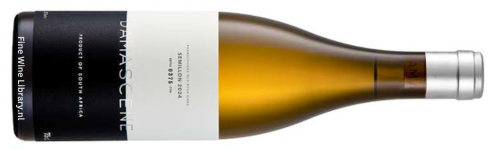
Damascene Franschhoek Old Bush Vines Semillon 2024
Franschhoek, Coastal Region, South Africa
€42.50 inc BTW per case WA 95
Single Bottle In Stock

You have no items in your shopping cart.
Franschhoek is South Africa's most historically distinctive wine valley, a narrow enclave of mountain, river and ancient vineyard whose character was shaped three centuries ago by the arrival of French Huguenot refugees and whose finest wines carry the unmistakable imprint of that heritage. The name translates from Afrikaans as "French corner", and the valley's vineyards, planted in the final years of the seventeenth century by settlers fleeing religious persecution in France, represent some of the oldest and most historically resonant sites in South African viticulture.
Franschhoek, Coastal Region, South Africa
The valley is enclosed on three sides by the dramatic sandstone and granite peaks of the Franschhoek Mountains, creating a warmer and more sheltered growing environment than the coastal wards to the south. This warmth, combined with soils of exceptional diversity, produces wines of considerable depth and character across a remarkable range of varieties. Old vine Semillon, elegant Bordeaux blends, powerful Syrah and distinctive white wines from Chenin Blanc and Chardonnay all find their finest expressions in Franschhoek.
Boekenhoutskloof is the most internationally celebrated estate, its Syrah and the iconic Chocolate Block among the most widely recognised South African wines produced anywhere in the Cape. Damascene produces what is arguably the finest expression of old bush vine Semillon from the valley, drawing on vines of extraordinary age to produce a white wine of genuine historical and viticultural interest.
Franschhoek is a ward within the Coastal Region of the Western Cape, South Africa. The valley is situated approximately 75 kilometres east of Cape Town, enclosed by the Franschhoek Mountains to the east and south. The Berg River flows through the valley floor, providing irrigation and moderating temperatures. The soils vary considerably across the valley: alluvial deposits on the valley floor, sandstone on the mountain slopes and granite on the higher elevations. The climate is warmer and more sheltered than Constantia and Hemel-en-Aarde Valley, producing wines of greater warmth and richness. The principal varieties are Semillon (particularly old vine), Chenin Blanc, Chardonnay, Syrah and Bordeaux varieties. Leading producers with Fine Wine Library pages include Boekenhoutskloof and Damascene.
Franschhoek's history as a wine-producing valley begins in 1688, when a group of approximately two hundred French Huguenot refugees arrived at the Cape following the revocation of the Edict of Nantes in 1685, which had stripped French Protestants of their right to practise their faith and forced them into exile across Europe and beyond. Many of these refugees were skilled artisans, and a significant number were familiar with viticulture from their origins in the wine regions of France.
The Dutch East India Company, which administered the Cape Colony, allocated land in a fertile valley to the east of Stellenbosch to these new settlers. The street names, farm names and family names of Franschhoek still reflect those seventeenth-century Huguenot origins: La Motte, Boschendal, Haute Cabrière, L'Ormarins and others recall the farms and villages the settlers left behind in France.
The Semillon vines they planted, or that were planted shortly after their arrival, formed the foundation of Franschhoek's most distinctive viticultural heritage. Old vine Semillon from the valley, some of it grown from material that traces its lineage to these original plantings, is one of South Africa's most compelling and historically resonant white wine styles.
The Franschhoek valley's terroir is defined by its enclosed geography. The surrounding mountain ranges trap heat, creating warmer daytime temperatures than the coastal wards but also channelling cool evening air from the mountains through the valley, moderating the ripening conditions and preserving natural acidity in the wines.
The soils vary considerably depending on position in the valley. The lower valley floor and mountain slopes facing into the valley contain alluvial deposits brought down by the Berg River over thousands of years, producing wines of greater richness and textural generosity. The higher slopes, where the vineyards are carved directly from the sandstone and granite of the mountain faces, produce wines of greater structure and mineral precision.
Old vine Semillon is the variety that most directly expresses the specific character of Franschhoek terroir. The oldest surviving Semillon plantings in the valley, growing on low-yielding bush vines without irrigation, produce fruit of extraordinary concentration and natural balance that reflects centuries of adaptation to the valley's specific conditions.
Old vine Semillon is Franschhoek's most historically significant and distinctive white variety, and the one that most clearly differentiates the valley's finest white wines from those of other South African appellations. Damascene's Franschhoek Old Bush Vines Semillon is one of the most compelling and individual expressions of the variety available from any producer in South Africa, drawing on ancient vine material that connects the wine directly to the valley's Huguenot heritage.
Franschhoek Syrah has become one of the valley's most internationally recognised wine styles, combining the warmth and richness of the valley's sheltered climate with a mineral precision that reflects the diverse soils. Boekenhoutskloof's Syrah is among the most acclaimed expressions of the variety produced anywhere in the Cape, drawing on the estate's position on the valley's cooler upper slopes.
Franschhoek has a long history of Bordeaux-style red wine production, with several estates producing Cabernet Sauvignon, Merlot and Cabernet Franc-led blends of considerable depth and ageing potential. The warmth of the enclosed valley suits these varieties well, providing the physiological ripeness that structured Bordeaux blends require whilst the mountain-cooled evenings preserve the freshness and acidity that define genuinely complete wines.
The most internationally recognised estate in Franschhoek and one of the most celebrated producers in South Africa, Boekenhoutskloof was established by Marc Kent on the cool upper slopes of the valley above the town of Franschhoek. The estate produces Syrah of exceptional quality from its mountain-positioned vineyards, alongside the iconic Chocolate Block, a Syrah-led blend that has become one of the most widely recognised South African wines internationally. Boekenhoutskloof's connection to the Swartland through Porseleinberg makes it one of the most geographically far-reaching and philosophically connected producers in the Cape.
Matthew van Heerden produces wines from Franschhoek, Stellenbosch and the Swartland, with each regional expression capturing the specific character of its source with precision and intelligence. The Franschhoek Old Bush Vines Semillon is Damascene's most historically distinctive wine, drawing on ancient vine material to produce a white wine of unusual depth, mineral complexity and historical resonance that has attracted scores of 95 points from Wine Advocate. It is one of the finest and most individual expressions of Franschhoek's Huguenot heritage currently available from any producer.
Franschhoek offers collectors access to some of the most historically rooted and stylistically distinctive wines produced in South Africa. The old vine Semillon from Damascene, connecting the present directly to the Huguenot plantings of the seventeenth century, is genuinely irreplaceable as a historical and viticultural document. The Syrah and red blends of Boekenhoutskloof are among the most celebrated and internationally recognised wines produced anywhere in the Cape.
All Franschhoek wines purchased through Fine Wine Library are held In Bond, excise duty free, with guaranteed provenance.
Franschhoek (French corner in Afrikaans) was settled in 1688 by approximately two hundred French Huguenot refugees who were allocated land in the valley by the Dutch East India Company. Many brought viticultural knowledge from France, and the valley's farm names, street names and family names still reflect this seventeenth-century Huguenot heritage.
Old vine Semillon from Franschhoek is one of South Africa's most distinctive and historically resonant white wine styles, produced from low-yielding bush vines that in some cases trace their lineage to the original Huguenot plantings of the late seventeenth century. Damascene's expression is the most celebrated currently available.
The Chocolate Block is a Syrah-led blend produced by Boekenhoutskloof that has become one of the most widely recognised and commercially successful South African wines internationally. It draws on fruit from both Franschhoek and Swartland sources.
Franschhoek is warmer and more sheltered than Constantia and Hemel-en-Aarde Valley to the south, producing wines of greater richness and warmth. It is more historically rooted than the Swartland and more stylistically diverse than Stellenbosch, with old vine Semillon as its most uniquely distinctive wine style.
Ultimate Guide to South African Wine